The changing face of wealth and the importance of long-term stewardship
For many years, significant wealth was typically associated with business owners, established family enterprises, property investors and corporate leaders.
While these sources of wealth remain important, today's landscape is evolving rapidly.
Increasingly, substantial wealth is being created through personal brands, digital platforms, intellectual property and global audiences. Content creators, athletes, entertainers, e-commerce entrepreneurs and digital-first businesses are generating levels of wealth and influence that would have been difficult to imagine even a decade ago.
What makes this particularly interesting is not simply the amount of wealth being created, but the speed at which it can happen.
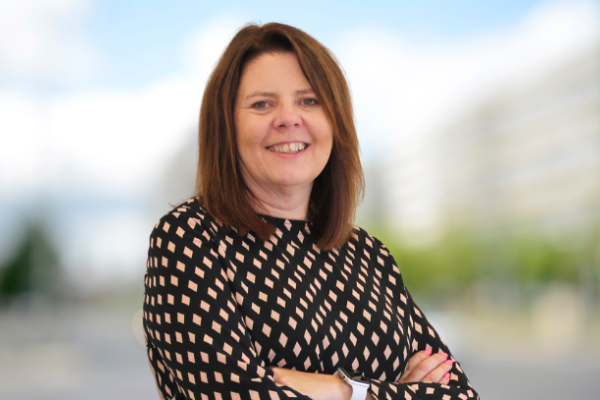
A business that once required years of investment, infrastructure and physical presence can now scale internationally through a smartphone, a social media platform or an online community. In this article, Fiona Noon explores what this changing wealth landscape means for governance, succession planning and the future of family office services.
The Rise of the Individual Business
Many of today's most successful individuals are no longer just professionals, athletes or content creators. They are businesses.
Their activities often encompass:
- Intellectual property
- Sponsorship and endorsement income
- Brand partnerships
- Investment portfolios
- Property holdings
- International income streams
In many cases, these businesses are international from day one. Audiences, customers and commercial relationships frequently span multiple jurisdictions, creating a level of complexity that traditionally emerged much later in the wealth creation journey.
Consider a digital entrepreneur who has built an online business with customers across Europe, North America and Asia. Within a relatively short period, they may hold interests in multiple companies, own property in different jurisdictions and have accumulated substantial investment assets. While this growth presents significant opportunities, it can also raise important questions around governance, coordinating advisers across multiple locations, succession planning and ensuring continuity should they no longer be able to manage their affairs personally.
Wealth Creation Versus Wealth Stewardship
Whilst the methods of creating wealth may be changing, the challenges that follow success remain remarkably consistent.
At some stage, the conversation typically evolves from: "How do I grow this?" to "How do I protect this?"
Questions around governance, succession planning, family involvement and long-term stewardship begin to emerge. The transition from wealth creator to wealth custodian is not always straightforward. The skills required to build wealth are often very different from those required to preserve it across decades and generations.
The Growing Importance of Governance
Governance is often associated with large family enterprises and multigenerational wealth structures. However, as wealth is being created earlier and through increasingly diverse channels, governance is becoming relevant to a much broader audience.
Whether an individual has built wealth through entrepreneurship, sport, entertainment or digital platforms, common themes frequently arise:
- Managing risk
- Protecting assets
- Preparing for future generations
- Coordinating advisers
- Creating clarity around family decision-making
These are not simply legal or financial considerations. They are often questions of values, responsibility and legacy.
For many of today's wealth creators, these needs are arising much earlier than they might have in previous generations. Rapid business growth, international exposure and increasingly complex personal affairs can create a requirement for coordinated oversight long before wealth reaches the level traditionally associated with a family office.
Increasingly, entrepreneurs and business owners are looking for support in bringing together professional advisers, implementing governance frameworks and creating structures capable of supporting both current commercial success and future family objectives. In this sense, the concept of the family office is evolving. It is becoming less about the size of wealth and more about the complexity of managing it effectively.
Supporting Modern Wealth Creators
As wealth creation continues to evolve, so too do the support structures required to preserve and protect it.
At Equiom, we work with entrepreneurs, business owners, investors and internationally mobile families whose personal and commercial affairs often span multiple jurisdictions. As their wealth grows and their circumstances become more complex, the need for effective governance, coordination and long-term planning becomes increasingly important.
Through our fiduciary, governance and family office services, we help clients establish robust frameworks for decision-making, succession planning, asset protection and wealth preservation. Whether wealth has been accumulated over generations or created rapidly through modern business models, the objective remains the same: ensuring today's success can be sustained for the future.
What Does the Family Office of the Future Look Like?
Traditionally, family offices have been associated with established wealthy families. However, it is worth considering whether the profile of a family office client is evolving. Many individuals are now reaching a stage where they have:
- Multiple businesses
- Investment portfolios
- Property holdings
- International interests
- Philanthropic ambitions
- Growing family responsibilities
The need for organisation, oversight and long-term planning remains unchanged. What may be changing is who requires that support and when in their wealth journey it becomes relevant.
Looking Ahead
The private wealth industry has always adapted to changing client needs. As new forms of wealth creation continue to emerge, it is likely that the conversations surrounding governance, succession planning and family office services will continue to evolve alongside them.
The fundamental questions have not changed.
- How should wealth be protected?
- How should it be governed?
- How should it be transferred responsibly?
What is changing is the profile of the individuals asking those questions, and the point in their wealth journey at which they are asking them. Governance, succession planning and stewardship are no longer considerations reserved for established family dynasties. Increasingly, they are becoming priorities for a new generation of globally connected wealth creators. That may be one of the most significant developments in private wealth today.
How Equiom can help
As wealth becomes more international and complex, having the right structures and governance in place can help provide clarity for both today and the future. Equiom supports entrepreneurs, business owners and internationally mobile families with family office services, wealth governance and succession planning, helping clients coordinate their affairs and establish frameworks designed to support the long-term preservation of wealth.
Speak to our team to find out how Equiom can support your long-term wealth planning.
This article has been carefully prepared, but it has been written in general terms and should be seen as broad guidance only. This article cannot be relied upon to cover specific situations and you should not act, or refrain from acting, upon the information contained within this article without obtaining specific professional advice. Please contact Equiom Group to discuss these matters in the context of your particular circumstance. Equiom Group, its partners, employees, and agents do not accept or assume any liability or duty of care for any loss arising from any action taken or not taken by anyone in reliance on the information in this article or for any decision based on it.
For information on the regulatory status of our companies, please visit www.equiomgroup.com/regulatory.
From Inheritance to Innovation: How Wealth Managers are Adapting for the 'Next Gen'